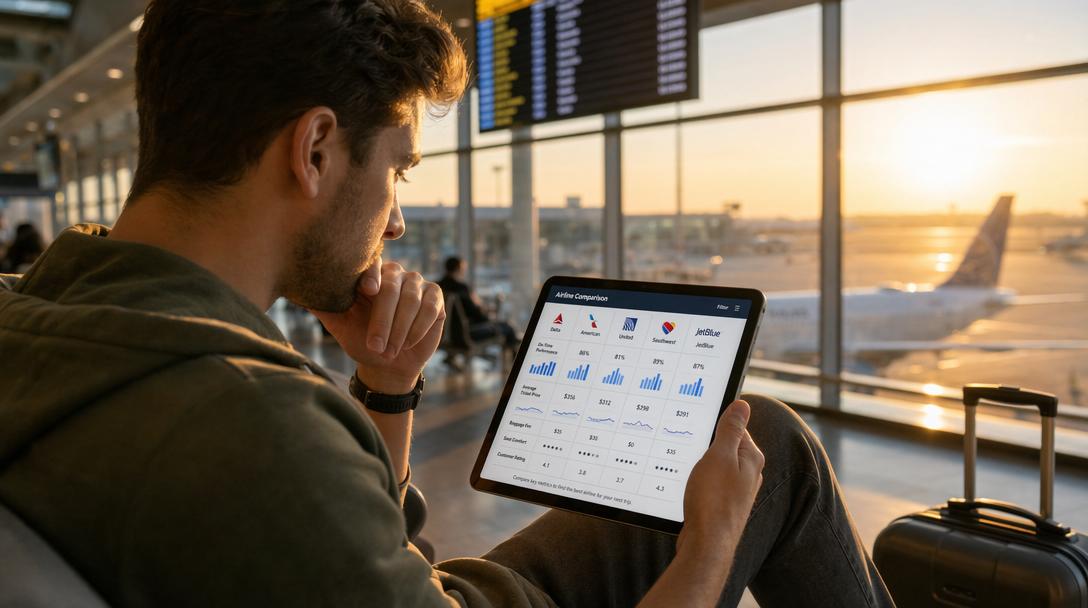
Budget airlines advertise rock-bottom fares, but a $40 flight can easily balloon to $200 once fees and restrictions add up. Ranking these carriers requires analyzing what they hide behind 'simplified pricing' models. The difference between a good and bad budget airline often comes down to how transparently they handle baggage allowances, schedule changes, and onboard amenities.
Hidden Fees Can Offset Low Base Fares
Airlines like Spirit and Frontier charge for seat selection, overhead bin space, and even printed boarding passes. For example, Spirit's 'Big Front Seat' costs $50 at booking but jumps to $80 at the gate. Always check the 'total price' column during checkout. Passengers who skip this step end up paying 3-4x the advertised fare.
Pro Tip: Use incognito mode when searching for flights—some budget airlines raise prices after repeated visits.
Baggage Policies Vary Widely
Allegiant Air charges $30 for a checked bag, while Southwest still allows two free checked bags. Even carry-on rules differ: JetBlue permits one free carry-on and one personal item, but Spirit restricts passengers to one personal item unless they pay $35 for a 'Main Cabin bag.' Bring a portable scale to avoid $50+ overweight fees.
Online Check-In Deadlines Are Strict
Most budget airlines close online check-in 45 minutes before departure—no exceptions. Missing this window forces you to pay $25 for airport check-in, even if you're just late to the terminal. Alaska Air's mobile app sends push notifications as deadlines approach, making it a top choice for forgetful travelers.
Flight Flexibility Comes at a Cost
Budget carriers like Breeze Airways advertise 'no change fees,' but fare differences still apply. A $150 flight rescheduled three days later might cost an additional $120 in fare differences. Compare this to Delta's $200 change fee plus fare difference, which becomes more economical for last-minute adjustments.
Loyalty Programs Lack Perks Compared to Full-Service Airlines
Budget airline points rarely transfer to hotel or credit card programs. Frontier's 'My Frontier' miles expire after 12 months and can't be shared with family members. Meanwhile, United's MileagePlus lets members pool miles with partners—a better deal for frequent flyers despite higher base fares.
Did You Know: Southwest's 'Wanna Get Away' fares let you cancel up to 10 minutes before departure for a full credit, unmatched by other budget carriers.
Airport Facilities May Be Limited
Low-cost carriers often operate from secondary airports like Stewart International (SWF) instead of JFK. These terminals lack lounges, premium security lanes, and dining options. Book a Priority Pass membership ($99/year) to access lounges at major hubs regardless of your airline.
Travel Insurance Is Non-Negotiable
Cancelation policies for budget airlines rarely offer refunds. A $45 travel insurance policy through travel insurance for flights can cover missed connections, medical emergencies, or schedule changes. Look for 'interrupted journey' coverage—especially critical for international routes.
Direct Flights Save Time But Not Always Money
Budget airlines often route flights through smaller airports to cut costs. A 'direct' flight from Orlando to Las Vegas might make three technical stops, adding 4 hours to your trip. Use direct flights vs connecting comparisons to weigh time versus cost. Frontier's 'nonstop' routes between major cities save 2+ hours versus their multi-stop equivalents.
Budget airlines compete on different metrics: some prioritize schedule flexibility, others charge predictably for extras. Focus on total costs—including time lost to strict policies—and use cheap flights tips to avoid common pitfalls. Start by comparing two airlines' fee structures side-by-side for your next trip.
Frequently Asked Questions
How do budget airlines manage to offer such low base fares?
Budget airlines offer low base fares by using a 'simplified pricing' model. This approach allows them to charge separately for services and amenities that are often included in the ticket price of full-service carriers.
What are some common hidden fees associated with budget airlines?
Common hidden fees include charges for seat selection, overhead bin space, and even printing boarding passes. These additional costs can significantly increase the total price of a flight beyond the advertised fare.
How do baggage policies differ among budget airlines?
Baggage policies vary widely, with some airlines charging for checked bags and others, like Southwest, allowing two free checked bags. Carry-on rules also differ, with some carriers restricting passengers to only a personal item unless a fee is paid.
What happens if I miss the online check-in deadline for a budget airline?
Missing the online check-in deadline, which is often 45 minutes before departure, typically results in a fee for airport check-in. Most budget airlines enforce these deadlines strictly without exceptions.
Are budget airline loyalty programs as beneficial as those of full-service airlines?
Budget airline loyalty programs generally offer fewer perks compared to full-service airlines. Their points often do not transfer to hotel or credit card programs, and some have expiration dates or restrictions on sharing miles.
Do budget airlines always operate from major airports?
No, low-cost carriers often operate from secondary airports instead of major hubs to cut costs. These smaller terminals may have limited facilities, such as fewer lounges or dining options.
Is travel insurance recommended when flying with budget airlines?
Travel insurance is highly recommended for budget airline flights because their cancellation policies rarely offer refunds. A policy can cover unforeseen events like missed connections, medical emergencies, or schedule changes.
Do 'direct' flights on budget airlines always save time?
Not always. Budget airlines may route 'direct' flights through smaller airports with multiple technical stops to cut costs, which can add several hours to your travel time. It's important to compare the total travel duration.