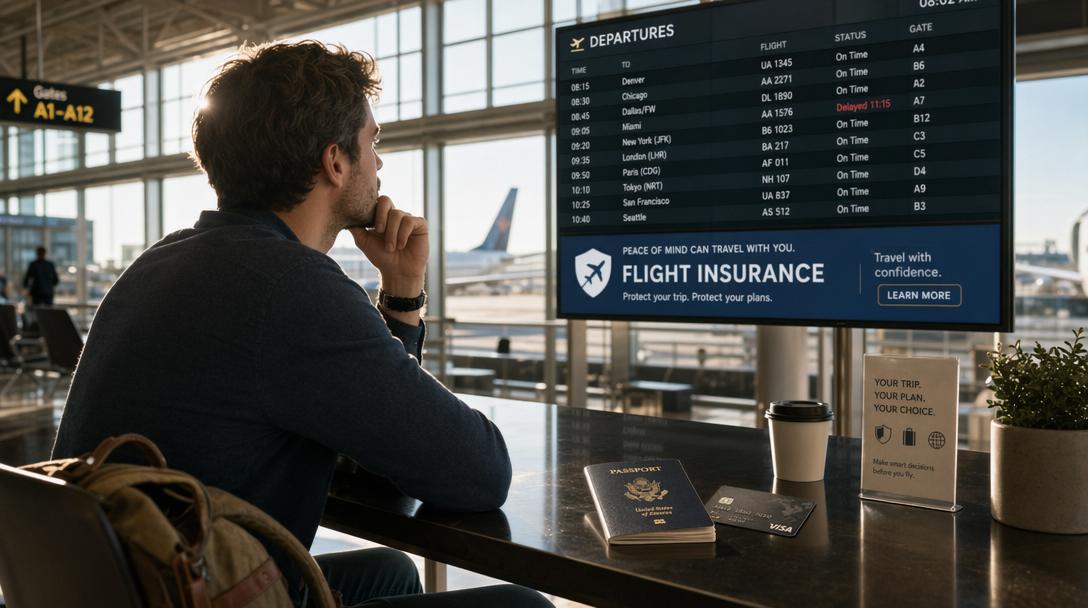
A delayed flight stranded a family of four in Miami for three days, costing them $2,000 in hotel stays and rebooking fees—expenses their travel insurance refused to cover due to a policy loophole. With flight-related risks ranging from mechanical failures to pandemic restrictions, understanding what travel insurance does (and doesn’t) cover is critical for protecting your investment.
Airlines rarely refund non-refundable tickets for personal emergencies
Comprehensive travel insurance covers cancellations due to illness, injury, or family emergencies, reimbursing pre-paid costs like hotels or tours. A policyholder canceled a $3,500 Hawaii trip after a relative’s sudden death and recovered 85% of expenses. Common mistake: Assuming coverage applies to all cancellations—many policies exclude work-related reasons or pandemics.
Pro Tip: Opt for "cancel for any reason" add-ons if flexibility matters.
A broken leg during a skiing trip in Colorado required $50,000 air ambulance transport
Standard health insurance plans often exclude international medical evacuation, making travel insurance essential for high-risk destinations.
Did You Know: Some policies include telehealth consultations to avoid unnecessary ER visits. Always verify if pre-existing conditions like diabetes are covered under acute onset clauses.
Airlines lose 1.8 million bags annually, leaving passengers scrambling for essentials
A traveler delayed in Dubai received $300 reimbursement for toiletries and clothing after a 48-hour luggage delay. Common mistake: Failing to document delays with airline reports—policies often require official proof.
Pro Tip: Save receipts for all emergency purchases to streamline claims.
A snowstorm stranded passengers at JFK overnight, forcing them to buy meals and hotel stays
Policies covering delays of 6+ hours reimburse these costs, but only if the delay stems from mechanical issues or weather—not staff strikes. Link to direct flights vs connecting for strategies to minimize delay risks.
A traveler with a disclosed heart condition faced denied coverage after an in-flight emergency
Policies require medical conditions to be "stable" (no changes in treatment 60-180 days pre-trip) for coverage eligibility.
Did You Know: Some insurers offer waivers if you purchase coverage within 10-21 days of booking your flight.
Pandemic-related coverage gaps leave travelers exposed
While some policies cover quarantine costs, most exclude pandemics unless explicitly stated. A traveler testing positive in Italy received coverage for extended lodging but not for the non-refundable flight home. Link to cheap flights to europe for budget-conscious travelers navigating uncertain regions.
Two $150 policies for a $2,000 trip offered vastly different coverage
One excluded rental car damage, the other covered trip cancellations only for specific reasons. Common mistake: Focusing solely on price without comparing benefit limits.
Pro Tip: Use comparison tools linked to budget airlines ranking to align coverage with your flight’s unique risks.
Most travel insurance policies address flight disruptions, but critical gaps exist in pandemics, pre-existing conditions, and baggage claims. Always read the fine print, and compare at least three quotes before booking—especially when using cheap flights tips to maximize savings without compromising protection.
Frequently Asked Questions
What types of cancellations does comprehensive travel insurance cover?
Comprehensive travel insurance typically covers cancellations due to illness, injury, or family emergencies. It reimburses pre-paid costs such as hotels or tours, but often excludes reasons like work-related issues or pandemics.
Why is travel insurance important for medical emergencies abroad?
Travel insurance is crucial for medical emergencies abroad because standard health insurance plans often do not cover international medical evacuation. Some policies also include telehealth consultations to help avoid unnecessary emergency room visits.
What should I do if my luggage is delayed or lost?
If your luggage is delayed, you should document the delay with an official airline report, as policies often require this proof. Remember to save receipts for all emergency purchases, such as toiletries and clothing, to streamline your claim.
When does travel insurance cover flight delays?
Travel insurance policies typically cover delays of six hours or more, reimbursing costs for meals and hotel stays. This coverage usually applies if the delay is due to mechanical issues or weather, but not typically for staff strikes.
Can I get travel insurance if I have a pre-existing medical condition?
For coverage eligibility, medical conditions generally need to be 'stable,' meaning no changes in treatment for 60-180 days before the trip. Some insurers offer waivers if you purchase coverage within 10-21 days of booking your flight.
Does travel insurance cover pandemic-related issues?
Most travel insurance policies exclude pandemics unless explicitly stated, leaving travelers exposed to related costs. While some policies might cover quarantine expenses, they may not cover non-refundable flights home if you test positive.
How can I choose the right travel insurance policy?
To choose the right policy, avoid focusing solely on price and instead compare benefit limits and read the fine print. It's advisable to use comparison tools and get at least three quotes to align coverage with your specific travel risks.